Underwriters
In today’s ever-evolving capital markets, where companies constantly seek funding and investors look for credible opportunities, one crucial entity works silently in the background to ensure that the ecosystem remains stable, trustworthy, and efficient – the Underwriter.
Underwriters are often described as the invisible strength behind fundraising activities. Whether it is an Initial Public Offering (IPO), a Follow-on Public Offer (FPO), a Rights Issue, or the issuance of debt instruments like debentures and bonds, underwriters act as the safety net that guarantees success for issuers while instilling confidence in investors.
Without underwriters, capital raising would be far more uncertain and volatile. Companies launching public issues would always live under the fear of undersubscription, and investors would remain skeptical about the credibility of offerings. With underwriters stepping in, however, this fear is replaced with assurance, trust, and stability.
But underwriting is not simply about stepping in as a guarantor. It is a complex, sophisticated, and multi-dimensional service that requires financial acumen, deep market knowledge, risk assessment, pricing expertise, regulatory understanding, and strategic advisory skills. Let’s explore in detail how underwriters function, why they are indispensable, and how they shape the future of capital markets.
What is Underwriting?
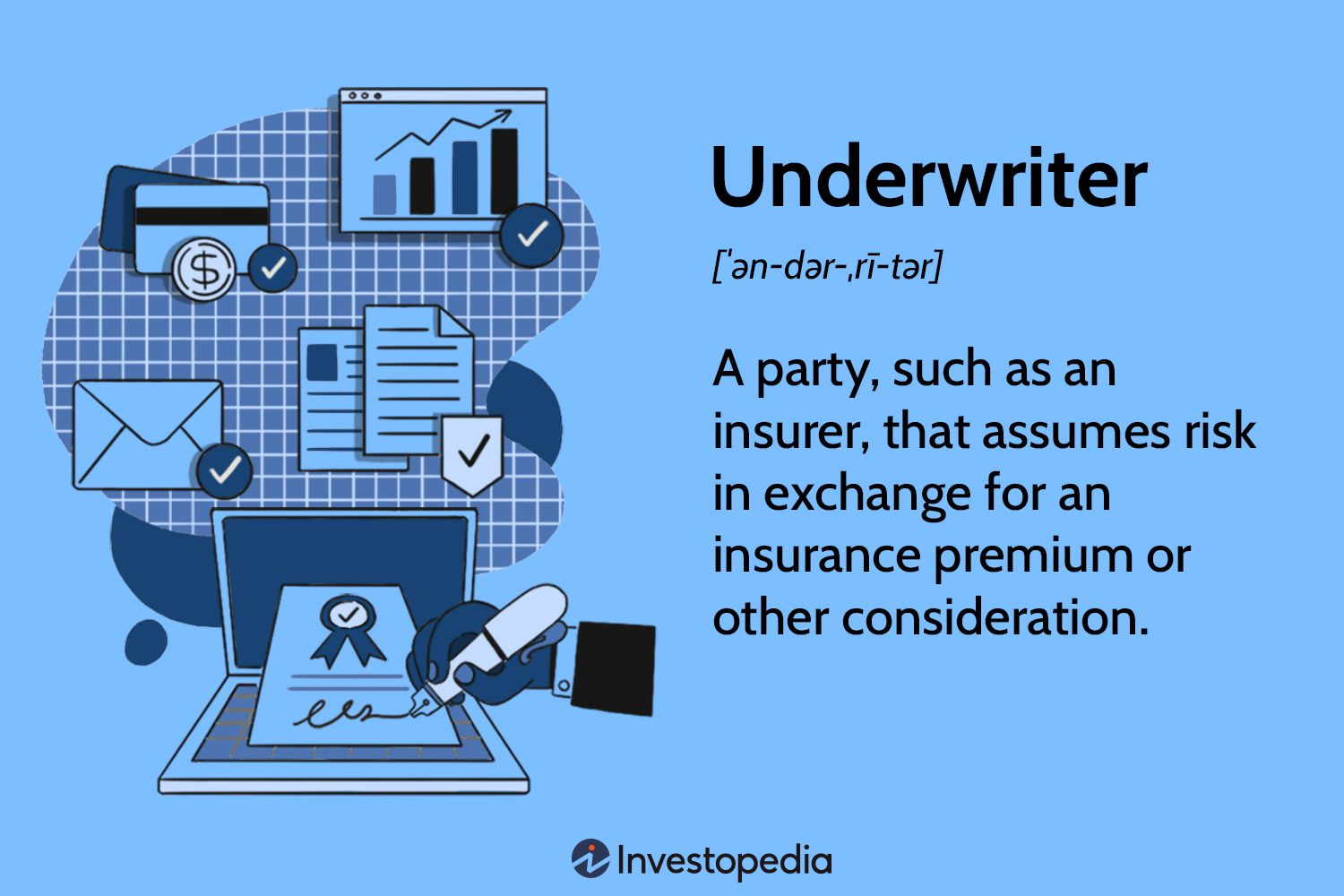
At its core, underwriting refers to the process of guaranteeing the subscription of a security issue. When a company issues shares, debentures, or bonds to the public, there is always a chance that investors may not fully subscribe to the issue. If the company fails to raise the targeted capital, it can affect its expansion plans, project financing, or debt repayment strategy.
Here, the underwriter steps in. By committing to purchase any unsubscribed portion of the issue, underwriters ensure that the issuer receives the required funds. This transforms a risky fundraising process into a secured, assured, and credible transaction.
The term "underwriting" itself comes from the historical practice of financial backers literally writing their names under the amount of risk they were willing to take on an issue. Today, this has evolved into a structured, regulated, and professional service that plays a pivotal role in global and Indian financial markets.
The Strategic Role of Underwriters
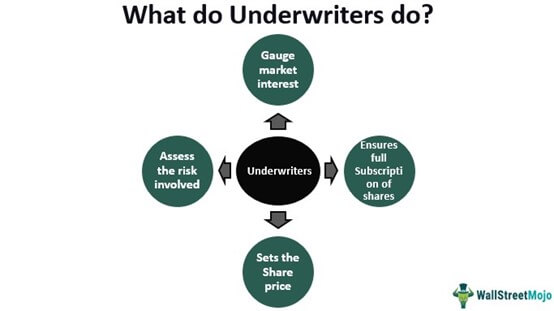
Underwriters are not just risk absorbers. Their role is multi-layered and goes far beyond providing a financial guarantee. They serve as:
-
Risk Managers: They absorb the risk of undersubscription, providing assurance to issuers. This allows companies to focus on business expansion and strategic goals instead of worrying about fundraising shortfalls.
-
Price Discovery Experts: Setting the right issue price is crucial. If the price is too high, investors will stay away; if it’s too low, the company will lose capital. Underwriters study market conditions, industry trends, demand analysis, and investor appetite to determine an optimal price band that benefits both the issuer and the investor.
-
Market Confidence Builders: The involvement of reputed underwriters signals credibility. Investors feel reassured knowing that a professional has evaluated the offering and is standing behind it. This increases the likelihood of higher participation.
-
Strategic Advisors: Beyond just financial guarantees, underwriters advise companies on issue timing, size, marketing strategy, and structure. They help decide whether the issue should be a fixed price or book-built offering, equity or debt, public or private placement.
-
Regulatory Compliers: Every capital raising activity must align with SEBI guidelines, exchange rules, and disclosure requirements. Underwriters ensure seamless regulatory compliance, reducing risks of penalties or delays.
Types of Underwriting
-
Firm Commitment Underwriting:
The underwriter commits to purchasing the entire issue if investors do not subscribe fully.
Provides maximum assurance to the issuer.
Common in IPOs where issuers cannot risk undersubscription.
-
Partial Underwriting:
Multiple underwriters share the responsibility by covering only a portion of the issue.
Risk is distributed, making it suitable for medium-sized issues.
-
Syndicate Underwriting:
For very large issues, a syndicate (group) of underwriters join hands to pool resources, distribute risk, and manage subscription collectively.
Widely used in mega-IPOs, debt issuances, and rights issues.
-
Best Effort Underwriting:
Underwriters do not guarantee the full subscription but promise to make their "best effort" to sell as many securities as possible.
Used in volatile markets where full commitment is risky.
-
Standby Underwriting:
Commonly used in rights issues. The underwriter agrees to purchase shares that remain unsubscribed after existing shareholders have exercised their rights.
Each type of underwriting arrangement serves a specific purpose, balancing risk, cost, and assurance.
Benefits of Underwriters for Issuers
For companies, underwriters are more than just intermediaries – they are strategic partners. The benefits they provide include:
- Guaranteed Capital Raising: Eliminating the risk of undersubscription.
- Credibility in the Market: Enhancing investor confidence by associating with reputed underwriters.
- Optimized Pricing: Ensuring issue prices are neither underpriced nor overpriced.
- Faster Execution: Streamlining the issue process with their experience and networks.
- Strategic Insights: Guiding companies on structure, timing, and marketing of issues.
Benefits of Underwriters for Investors
Investors also benefit from the presence of underwriters:
- Trust & Safety: Knowing that underwriters have conducted due diligence.
- Fair Pricing: Underwriters balance the interests of issuers and investors.
- Market Stability: Their guarantee reduces volatility around new issues.
- Transparency: Regulatory compliance ensures investor protection.
Thus, underwriters safeguard both sides of the financial equation – issuers and investors.
The Process of Underwriting in India
Underwriting in the Indian capital markets follows a structured process regulated by SEBI:
- Appointment: Companies appoint one or more underwriters, often investment banks or financial institutions.
- Due Diligence: Underwriters conduct a thorough review of the company’s financials, business model, risks, and compliance.
- Agreement: A formal underwriting agreement is signed outlining responsibilities, commitment levels, and fees.
- Pricing & Structuring: Underwriters assist in setting the price band and issue structure.
- Marketing & Distribution: They help promote the issue through roadshows, investor meetings, and digital campaigns.
- Subscription Management: Underwriters manage investor applications and demand tracking.
- Risk Coverage: If the issue is undersubscribed, underwriters step in to purchase the unsold portion.
This end-to-end involvement makes underwriters the backbone of fundraising success.
Regulatory Framework for Underwriters
In India, underwriters are governed by the SEBI (Underwriters) Regulations, 1993.
Some key requirements include:
- Mandatory SEBI registration to act as an underwriter.
- Net worth requirement of at least ₹20 lakhs.
- Strict disclosure and compliance obligations.
- Maintenance of proper records of agreements and transactions.
- Regular reporting to SEBI for transparency.
This regulatory oversight ensures that underwriters function with integrity,
accountability, and professionalism.
Challenges Faced by Underwriters
While underwriters are crucial, their role is not without challenges:
- Market Volatility: Sudden changes in market sentiment can make issues risky.
- Pricing Pressure: Balancing the interests of issuers and investors is complex.
- Reputation Risk: Failure of an issue can affect credibility.
- Regulatory Scrutiny: Compliance with SEBI and exchange guidelines is stringent.
- Capital Risk: In firm commitment underwriting, underwriters may need to purchase large unsold shares.
Despite these challenges, underwriters remain resilient risk managers who stabilize the market.
Why Underwriters Are Indispensable
Imagine a scenario where companies had to raise capital without underwriters:
- Issuers would be uncertain about receiving required funds.
- Investors would hesitate to subscribe without credible assurance.
- Market efficiency and stability would suffer.
Underwriters solve all these problems by acting as:
- Risk absorbers: for issuers.
- Credibility enhancers: for investors.
- Market stabilizers: for the ecosystem.
In short, underwriters are indispensable pillars of capital market infrastructure.
The journey of raising capital in today’s markets is filled with uncertainties – investor sentiment, regulatory frameworks, pricing dilemmas, and market volatility. In this journey, underwriters are the steady hand that guides issuers and reassures investors.
For companies, they are partners in growth. For investors, they are symbols of trust. For markets, they are guardians of stability.
Underwriters are not just intermediaries – they are strategic allies, financial architects, and confidence builders. Their role ensures that capital markets remain efficient, transparent, and trustworthy – driving the economy forward and enabling wealth creation for all stakeholders.
With underwriters by their side, companies raise capital with confidence, investors invest with trust, and markets function with resilience. That is why underwriters are – and will continue to be – the backbone of capital market success.
Frequently Asked Questions
A Registrar and Share Transfer Agent (RTA) manages share transfers, investor records, and corporate actions for companies and mutual funds.
SEBI registration ensures that only credible and competent organizations handle sensitive investor and securities data.
Only companies incorporated under the Companies Act, with proper infrastructure, net worth, and skilled personnel, can apply.
Maintaining investor records, share transfer, dematerialization/rematerialization, dividend and bonus distribution, and regulatory compliance.
It builds market credibility, ensures compliance, allows business growth, and enables the RTA to legally operate in the securities market.
.png)